The Physicist Who Fell in Love With Tennis
This newsletter will be a special edition.
Today I want to introduce you to my close friend Vicky Stevenson.
Vicky and I met during my first year at Mutual of Omaha Mortgage. She was a financial modeling consultant with 30+ years of experience. I was fresh out of college, still figuring out which meetings I was allowed to talk in. Vicky quickly became my mentor, and later a close and dear friend. She taught me how to build models, and she did it with the patience of someone who had seen a hundred rookies before me and decided to invest in this one anyway.
One day Vicky told me about her dad, Howard Brody. And I think there is something truly inspiring in his story.
Today I want to share it with you all.
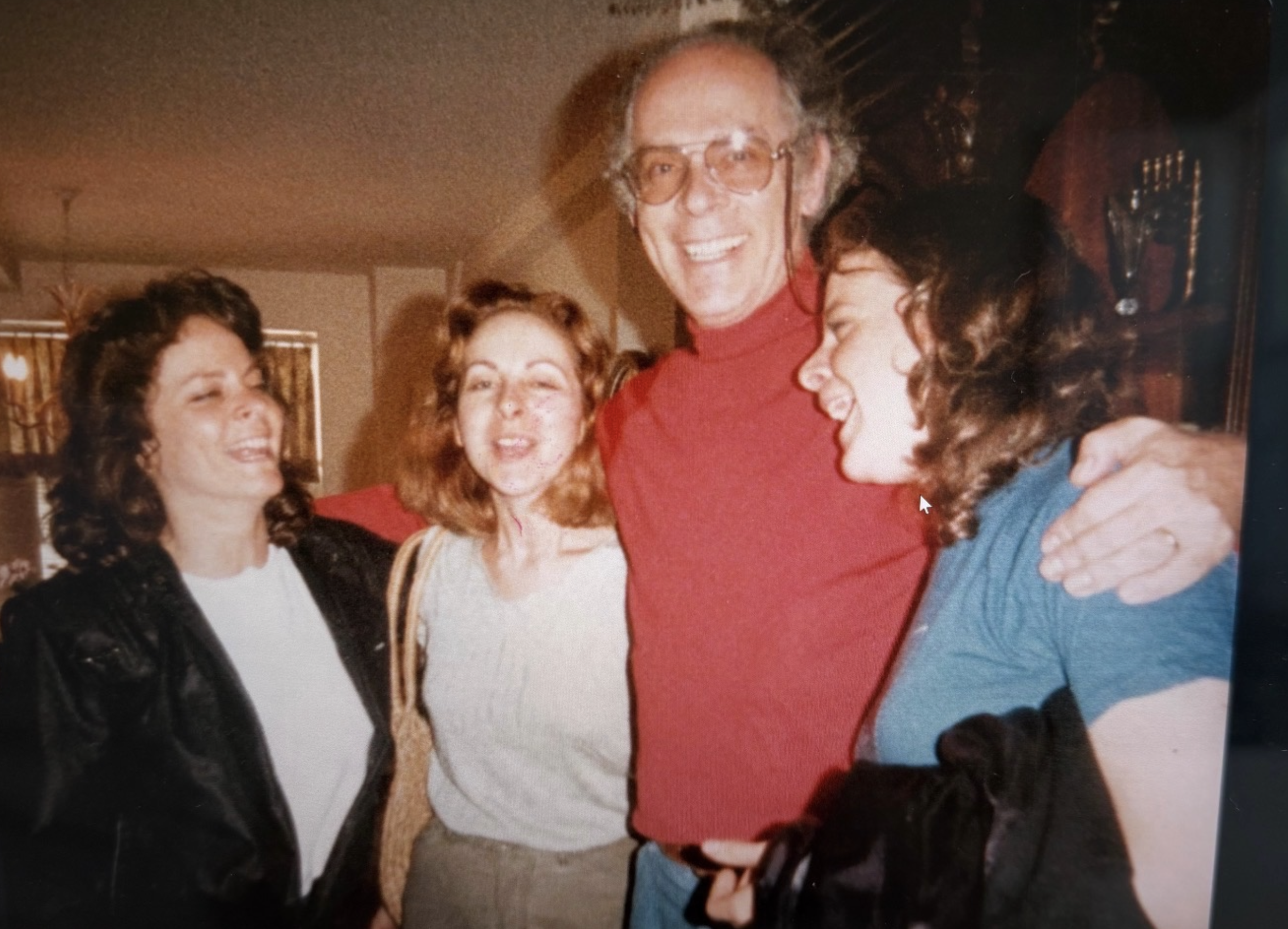
Howard Brody with his three daughters Vicky(left), Lisa(in the middle), and Deirdre(far right)
The professor with a racket
Howard Brody was a physics professor at the University of Pennsylvania.
His original field was particle and nuclear physics, sparked by a boyhood book called "Atoms in Action."
He got his physics degree from MIT in 1954, then a master's and PhD from Caltech.
Here is one important detail that matters.
At MIT, he also played varsity tennis.
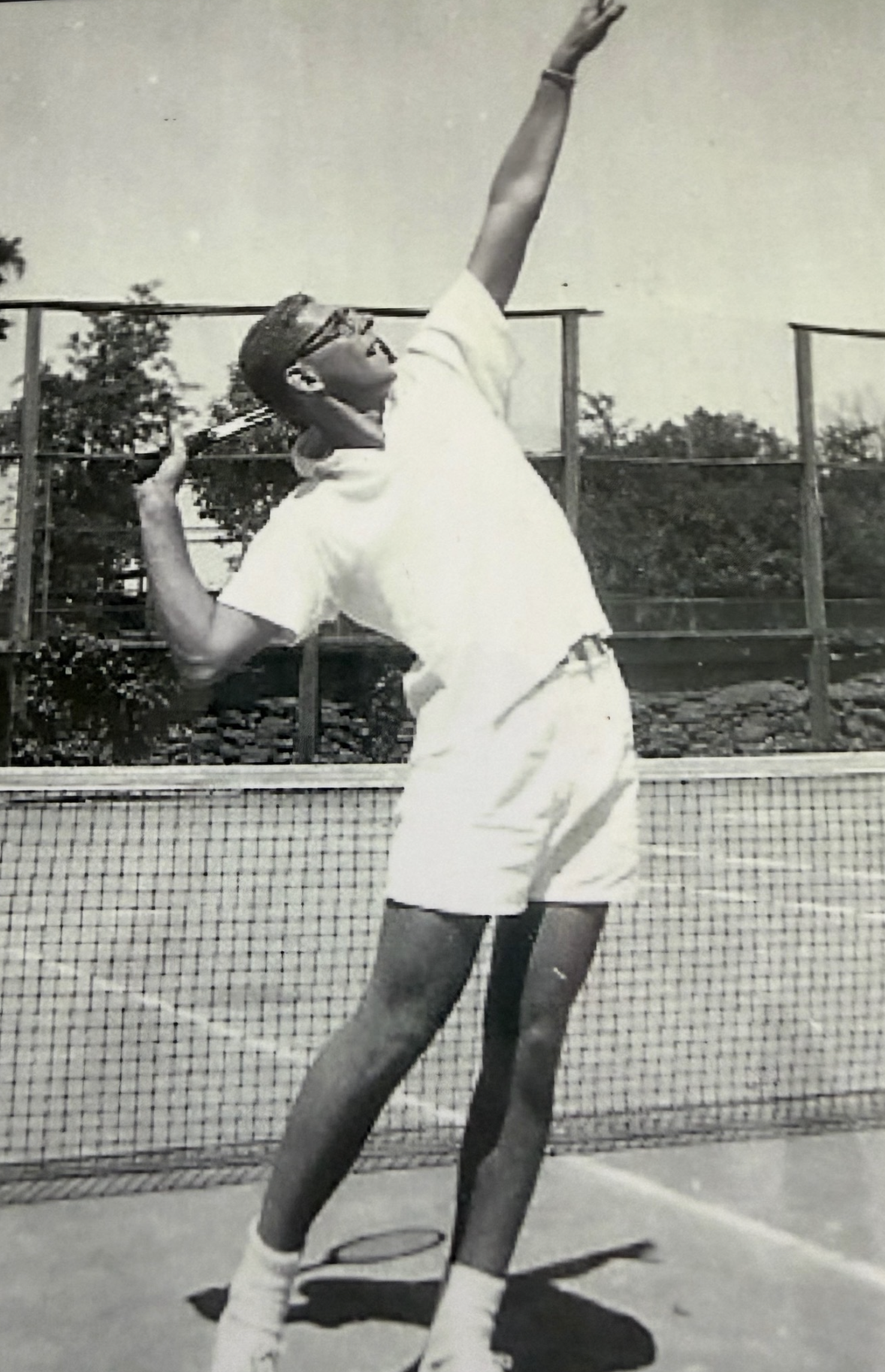
For years those two loves ran on parallel tracks.
Physics in the lab. Tennis on the court.
Then, in 1979, the tracks crossed. He published a paper called "Physics of the Tennis Racket" in the American Journal of Physics, and it changed the direction of his entire career.
Howard started asking questions nobody in tennis thought to ask with actual instruments.
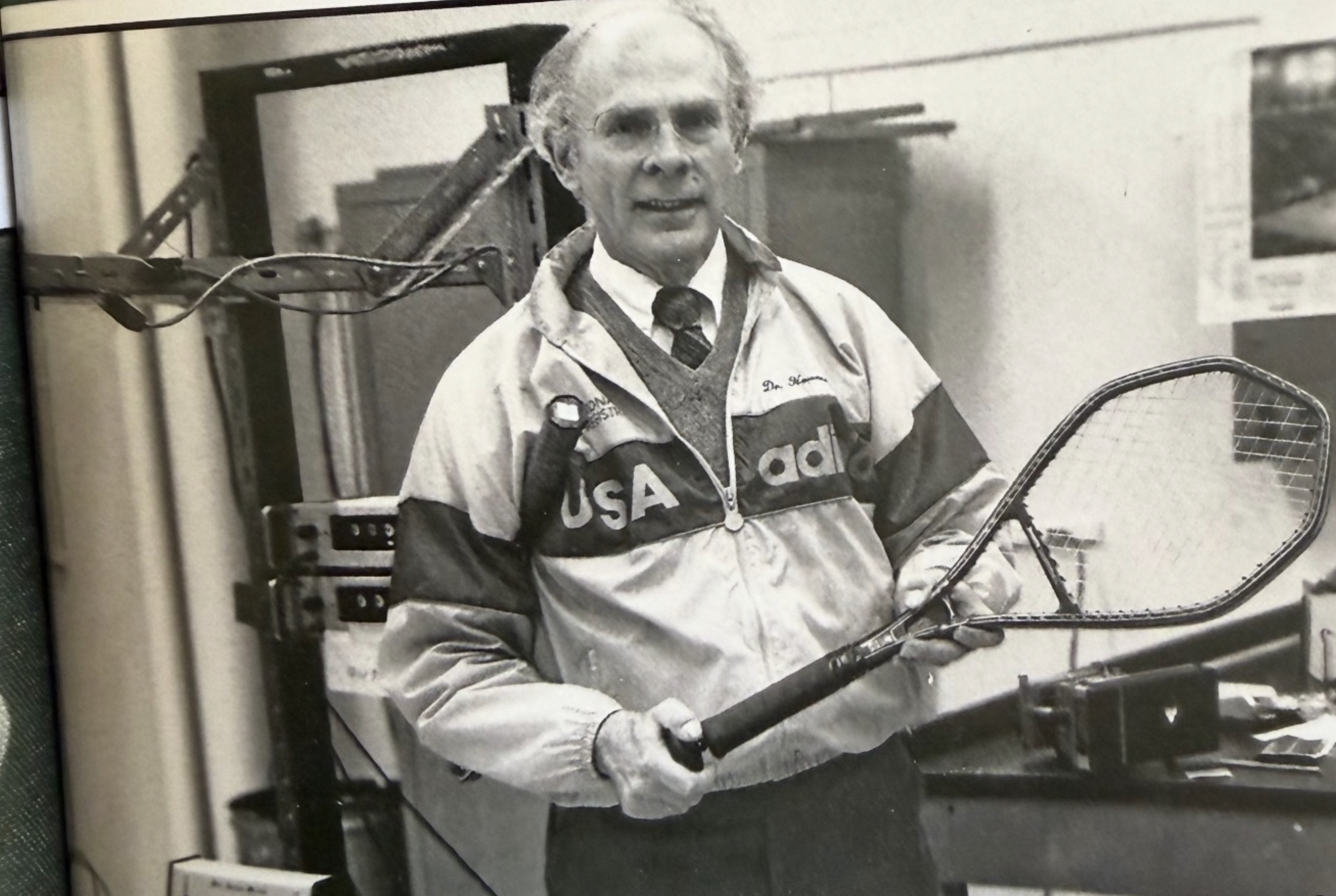
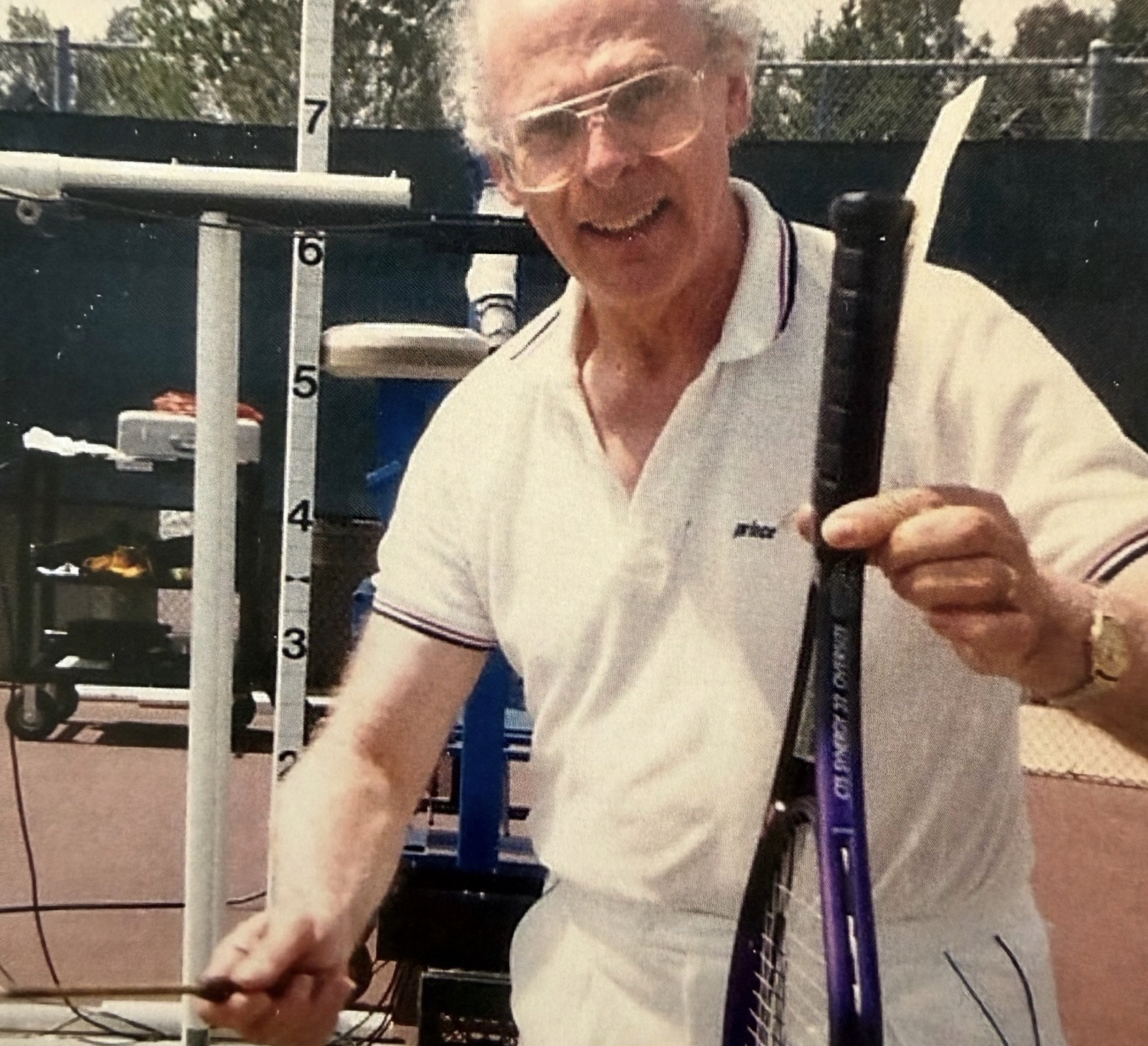
Where is the real sweet spot on a racket?
What does string tension actually do to the ball?
He ran laboratory tests. He built computer models. And some of his findings flipped the sport's accepted wisdom upside down.
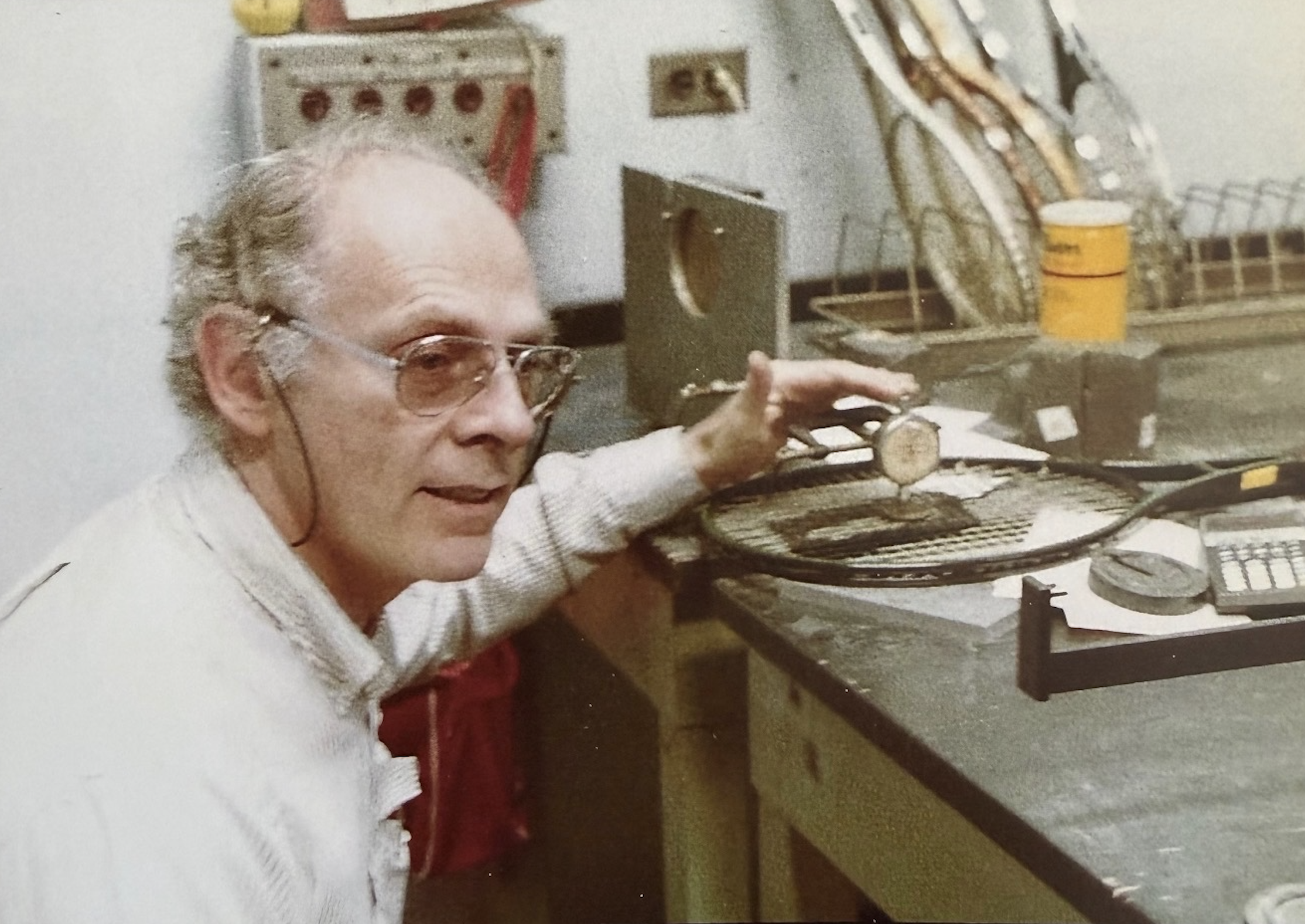
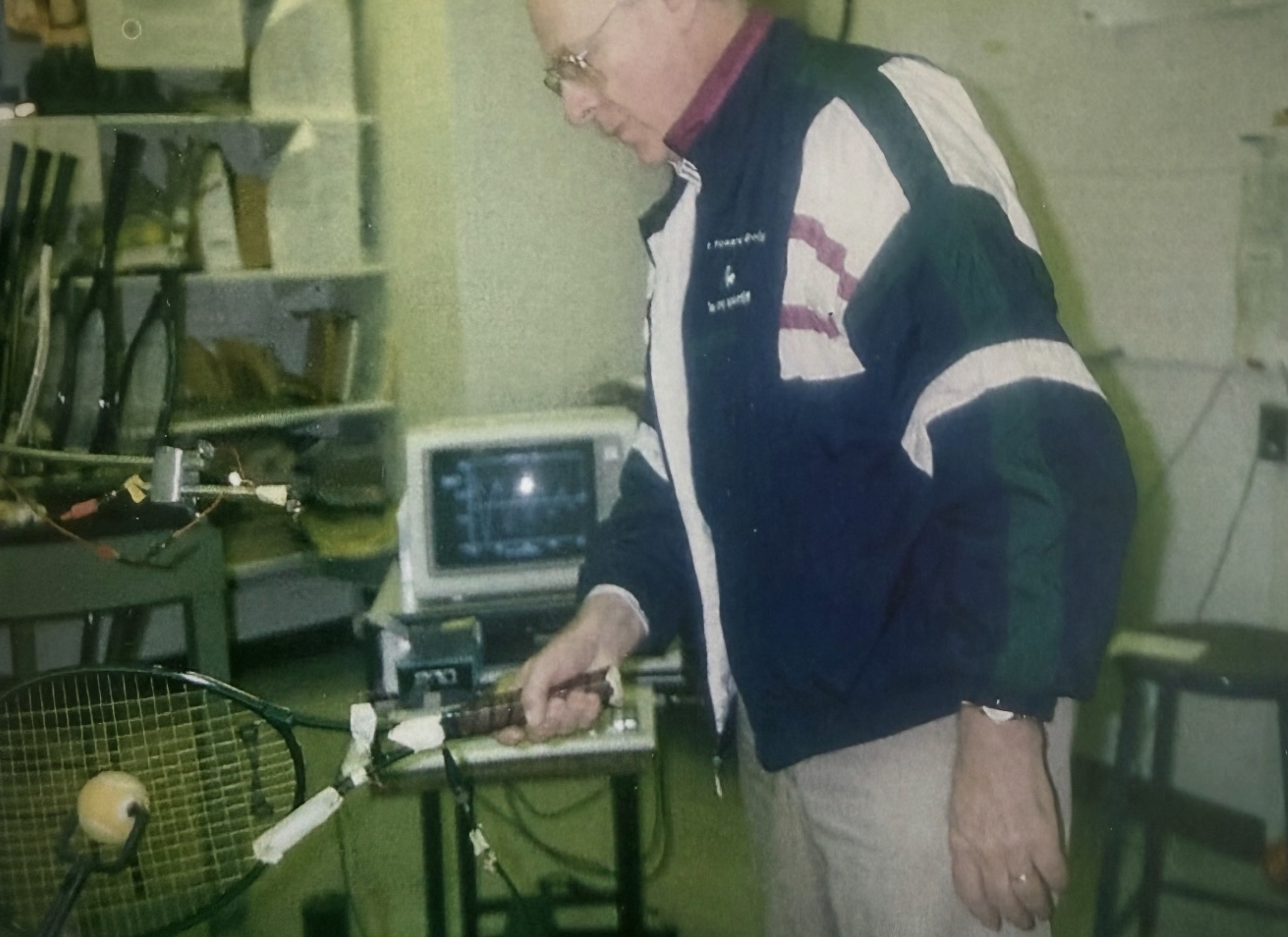
Everyone believed tighter strings gave you more power.
Howard proved the opposite.
Looser strings hit the ball harder.
He found that larger racket heads put the percussion center closer to the middle of the frame, which is a big part of why oversized rackets made the game easier for millions of recreational players.
He wrote "Tennis Science for Tennis Players" and co-authored "The Physics and Technology of Tennis," a book the industry still calls the technical reference standard.
He advised the US Tennis Association and the International Tennis Federation.
And he was inducted into the International Tennis Hall of Fame.
Not as a player. Not as a coach. As an educator.
Innovation lives at the intersection
I love saying “innovation comes at the intersection of ideas.”
Howard did not invent new physics. And he did not invent tennis.
Thousands of physicists knew more particle theory than the tennis world would ever need.
Millions of players hit more balls than he did.
His edge was that he stood in both worlds at once.
His deep knowledge and love of physics collided with his love of tennis, and the collision produced something neither field could produce alone.
That is the whole formula.
And now, back to hospitality
Because you knew I would bring it back.
Each of you has your own genius.
Maybe it's 20+ years in the medical field.
Maybe it's 10+ years of being a mother, which is its own operations degree.
Maybe it's an artistic nature you have been suppressing for a while because it never felt "practical."
And if you have been reading this newsletter, it's likely you are interested in hospitality.
That is your intersection.
The nurse who builds a wellness retreat understands recovery in a way no hotelier ever will.
The mother who opens a family-friendly farm stay knows exactly what a parent needs at 7pm with two overtired kids.
The suppressed artist designs a cabin that guests photograph from every angle, because she finally let herself.
You do not need to abandon your past to enter hospitality. Your past is your unfair advantage.
The 20 years you think are irrelevant are the exact thing that will make your property impossible to copy.
Howard Brody did not become less of a physicist when he picked up a racket.
He became the only one of his kind.
So this week, ask yourself one question.
What do I already know that this industry doesn't?
Then go build at the intersection.
This is all for today,
Till next week, dear readers.
Anastasia
p.s. Vicky, I know you are reading this. Thank you for trusting me with your dad's story.
-forever your egg of a dinosaur 🥚🦕