How to source domes from overseas
This week I don't have any news or deals for you, but I have an interview that I think will help many people who are considering ordering their domes from overseas.
So we will answer this question: can we actually source structures overseas and make it work?
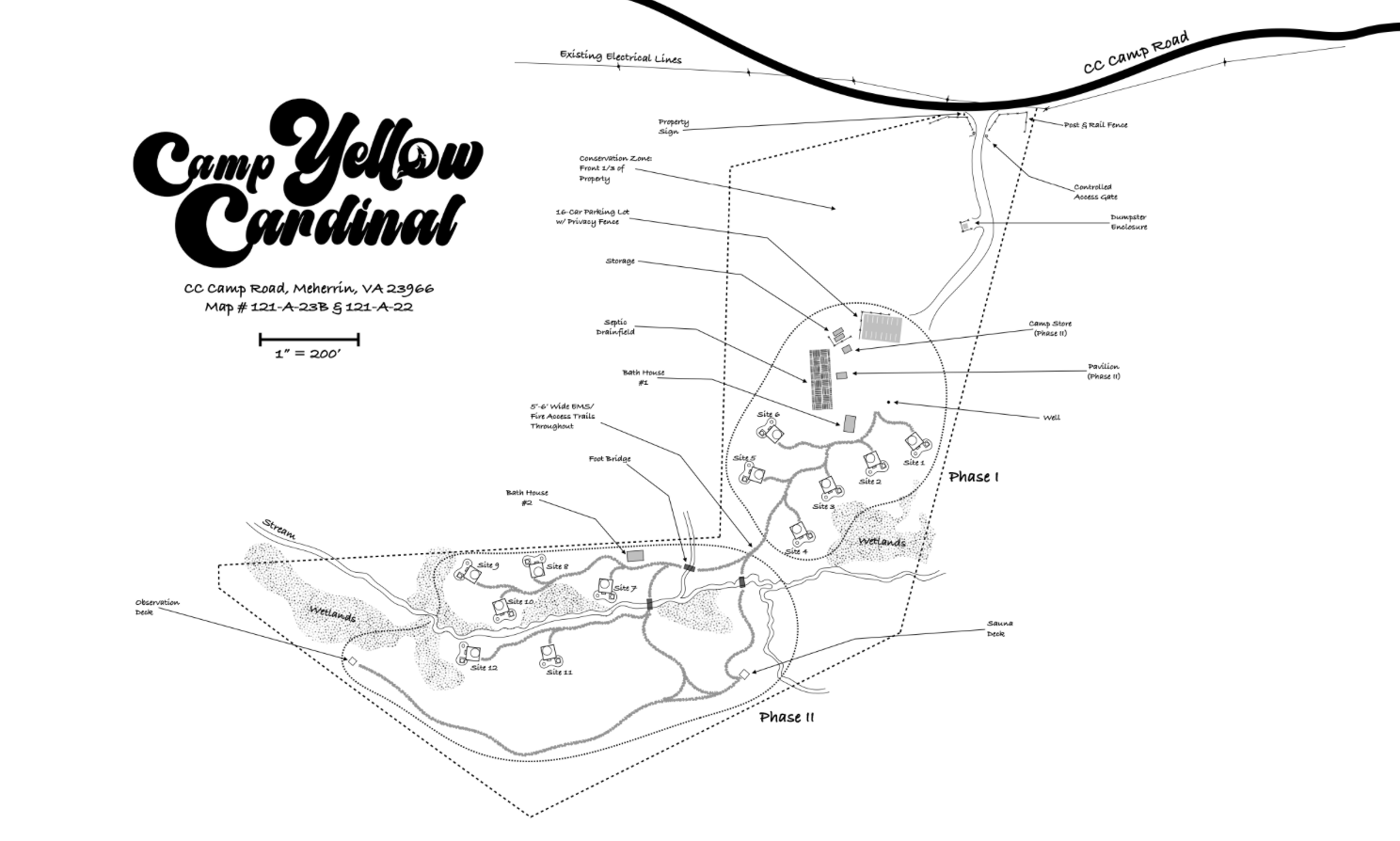
Kevin and Laura are the founders of Camp Yellow Cardinal, a geodesic dome retreat currently under construction in Virginia.
If you followed their story last year you already know how it started. This conversation picks up where that one left off, focused specifically on the process of sourcing, importing, and receiving their domes from a manufacturer in China.
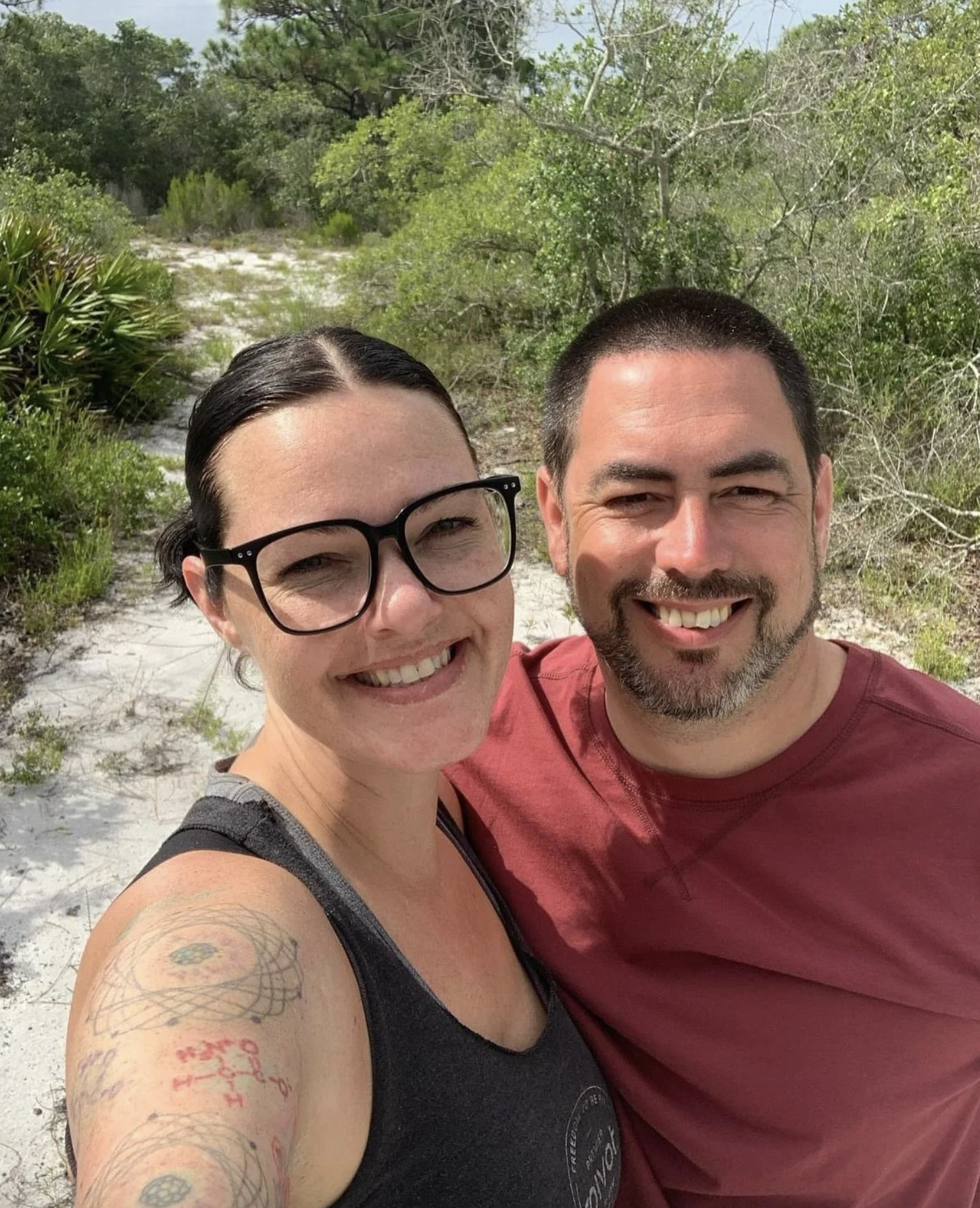
Kevin is sharing everything, the vetting process, the logistics, the tariff scare, and what he would do differently.
(I would get a cup of tea if I were you, and prepare for a value-packed conversation)
Anastasia: Last time we spoke you were in the early planning stages. For readers who are just discovering Camp Yellow Cardinal, can you give us a one sentence update on where the project stands today?
Kevin: After some bureaucratic and weather delays (iciest winter in Virginia in over 20 years!), we are finally beginning to clear trees and move dirt - Camp Yellow Cardinal is coming into focus!
Anastasia: Let's start at the decision itself. At what point did you decide to look overseas for your domes rather than sourcing domestically, and what made that feel like the right call?
Kevin: That decision really started to take shape after I attended The Glamping Show Americas in late 2024. Being able to walk the floor and compare different dome suppliers side by side was incredibly helpful. It gave me a much clearer picture of what I actually cared about, things like color options, material strength, insulation quality, and how the structures felt in person versus just looking good online. Up until that point, I had a general idea of what we wanted, but that experience helped me dial in the specifics.
As I dug deeper after the show, I started to notice a pattern. Some of the domestic suppliers we were considering were producing great products, but a number of them were ultimately manufacturing overseas and then importing, warehousing, and distributing here in the U.S. That’s not a knock at all, there are some really strong operators in that space, and they provide a lot of value, especially for buyers who want simplicity and support. But for us, once I understood how the supply chain was structured, it clicked that there might be an opportunity to go closer to the source.
From there, it became a pretty straightforward calculus. We were willing to take on a bit more complexity in exchange for significant cost savings and more direct control over the final product. That’s what led us to expand our search overseas and ultimately partner directly with a manufacturer.
Anastasia: You vetted several manufacturers before landing on Shelter Structures. Walk us through that vetting process. What were you looking at, what red flags were you watching for, and how long did it take before you felt confident enough to move forward?
Kevin: We looked at several manufacturers before landing on Shelter Structures, and the vetting process was pretty methodical. The first layer was all about material specs, that’s where you start to see real differentiation. We were asking detailed questions like: are the PVC covers high-frequency welded or stitched, what’s the actual thickness of the material, 400 gsm versus 750+ gsm is a big difference, and are the windows treated for UV protection?
Those details matter a lot for durability, weather resistance, and how the domes are going to hold up over time. On paper, a lot of products can look similar, but once you get into the specs, the gaps become pretty obvious.
From there, the challenge becomes trust, especially when you’re working with a company halfway across the world. We relied heavily on documentation to bridge that gap. We wanted to see everything, engineering reports, detailed product specs, installation manuals, anything that showed they had a real, repeatable system and weren’t just selling a concept. The more organized and transparent they were with that information, the more confident we felt. If anything felt vague or incomplete, that was a red flag.
The last piece was putting a face to the operation. Email is fine, but it only goes so far. We made it a point to get on a couple of Zoom calls so we could actually talk through questions in real time and get a sense of who we were working with. That helped build a level of trust that you just can’t get asynchronously. Once we felt confident that we were dealing with a solid team, making a well-built product, and communicating clearly, that’s when we knew it was time to move forward.
Anastasia: The turning point for you was Laura finding a tagged Instagram post from someone who had already built using Shelter Structures just two hours away. How did that conversation go and what did seeing the dome in person change for you?
Kevin: That was one of those moments where everything just clicks into place. Laura found an Instagram post that tagged Shelter Structures, and by pure luck, the project was about two hours away in Northern Virginia.
We reached out, not really knowing what to expect, and the owner, Lori, was incredibly gracious. She invited us out and spent a good part of the afternoon walking us through her dome, answering questions, and letting us really dig into every detail of her build process. It wasn’t a quick walkthrough, we were opening things up, asking probably too many questions, and she couldn’t have been more generous with her time.
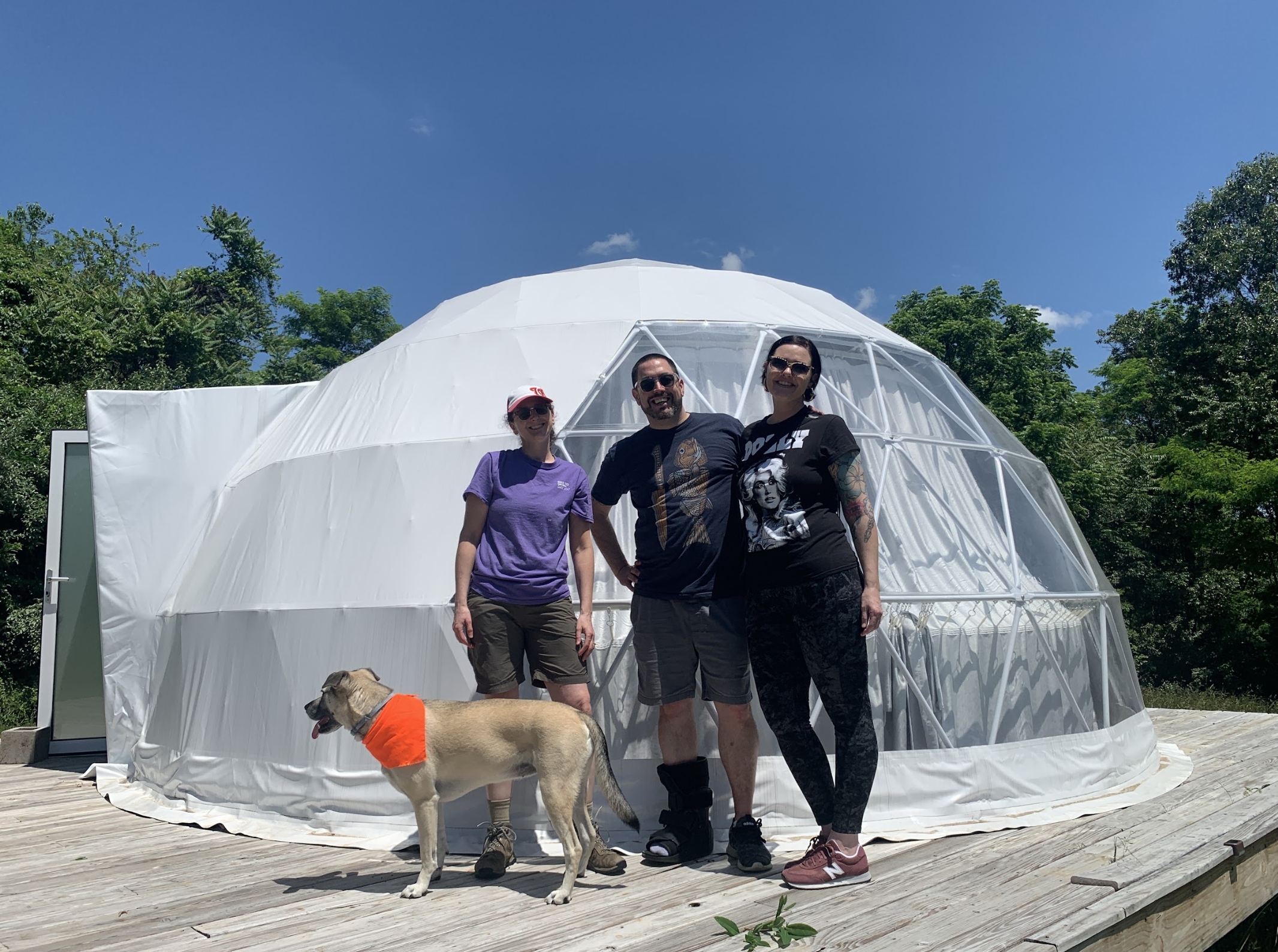
Seeing the dome in person completely changed the equation for us. Up until that point, we were making a high-stakes decision based on specs, photos, and conversations. Being able to physically interact with the structure made it real. We could feel the insulation, test the weight and durability of the materials, slide the curtain across that massive front window, and yes, even hang from the steel support structure to get a sense of how solid everything was. That level of hands-on validation gave us confidence in a way nothing else could.
That visit was really the final seal of approval. It bridged the gap between theory and reality, and once we saw that the product held up exactly the way we hoped it would, working with Shelter Structures felt like a very straightforward decision.
Anastasia: For someone who has never imported anything before, the terminology alone can be overwhelming. You purchased under CIF terms. Can you explain what that means in plain language and what it actually covered versus what you still had to manage on your end?
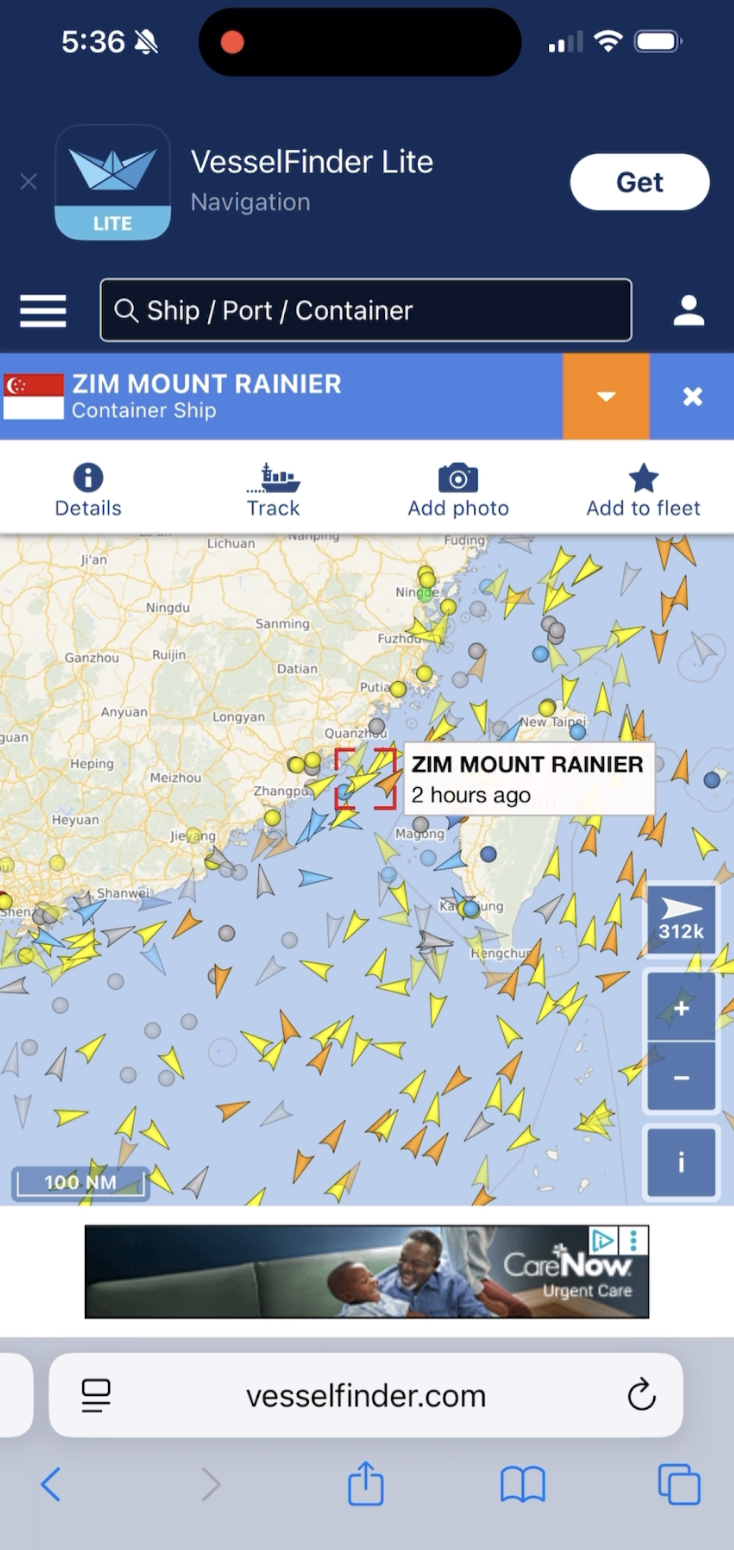
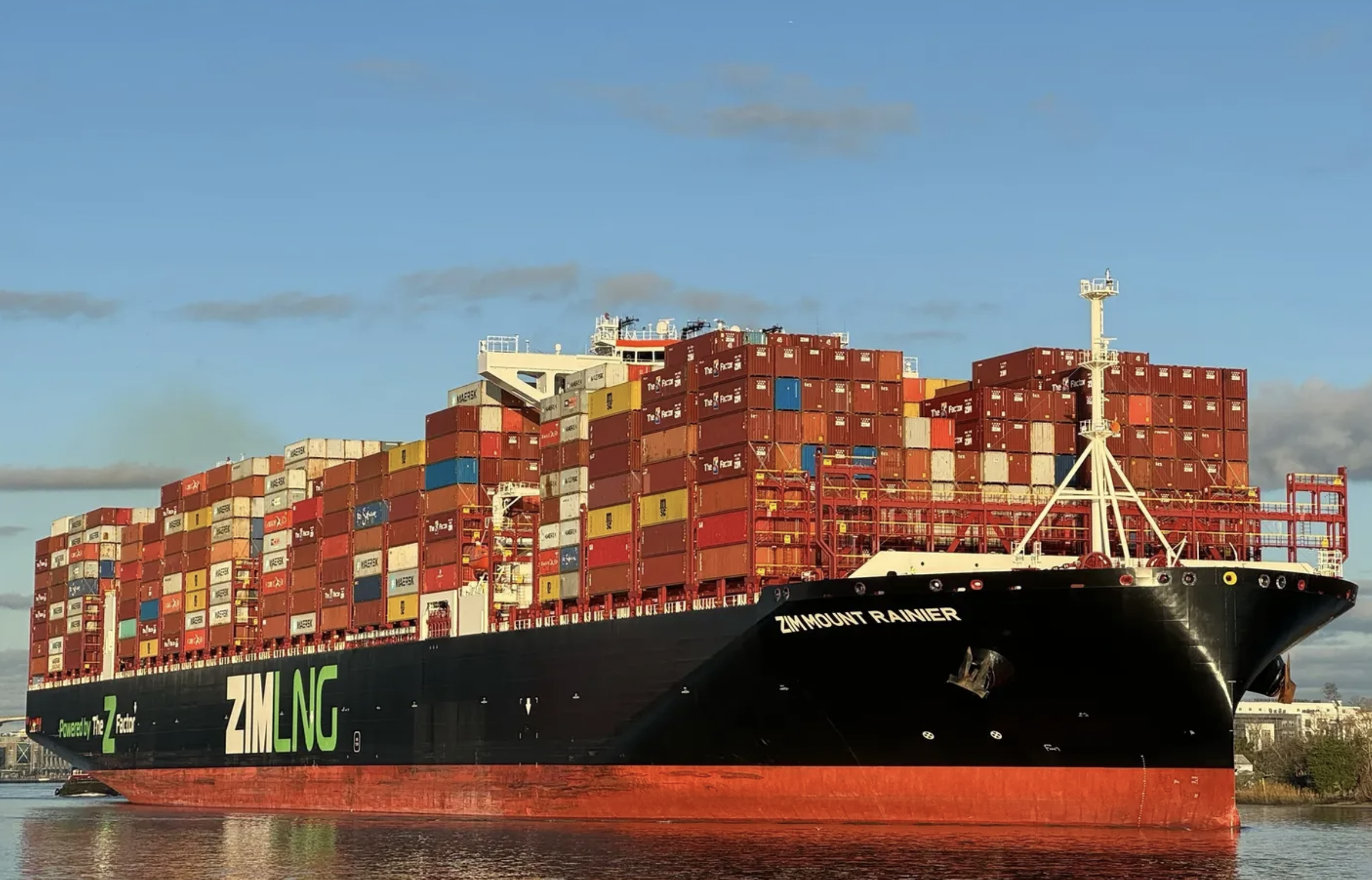
Kevin: The terminology can definitely feel like a different language at first. CIF stands for “Cost, Insurance, and Freight,” and in plain terms, it means the manufacturer is responsible for getting your product from their facility all the way to the destination port in the U.S., including ocean shipping and insurance.So once our domes left the factory in China, they handled booking the freight, getting it on the ship, and covering it until it arrived at the port here.
The insurance piece is interesting too, you’re technically covered for things like cargo loss at sea, which sounds dramatic, and you do have to think through scenarios like storms, piracy, or what happens if your domes end up sitting at the bottom of the Pacific Ocean. Unlikely, but it’s part of the consideration!
Where people can get tripped up is assuming that means it shows up at your property ready to go, it doesn’t. Once the shipment hits the U.S. port, it becomes your responsibility. That includes customs clearance, paying duties and tariffs, and arranging transportation from the port to your site.
Anastasia: You worked with a customs broker called World Class Shipping. How did you find them, what did they actually handle, and would you say a customs broker is optional or essential for someone doing this for the first time?
Kevin: I found World Class Shipping the old-fashioned way, a Google search and an afternoon of calling every customs broker I could find that worked through the Port of Norfolk. Honestly, that process alone was eye-opening. A surprising number of companies didn’t answer the phone or respond to emails at all. When I finally connected with a team that was responsive, patient, and willing to actually educate me on the process, it felt like striking gold. That level of communication made a huge difference, especially going through this for the first time.
In terms of what they actually handled, it was a lot. They helped us determine the correct HTS code for the domes, filed our ISF 10+2, which is a required customs form that has to be submitted before the shipment even leaves its country of origin, and then took over once the container hit the port.
From there, they coordinated the customs clearance, managed the handoff at the port, and ultimately arranged for the container to be delivered to our property in Central Virginia. They were essentially the bridge between international shipping and getting the product to our land.
As for whether a customs broker is optional or essential, for a first-time importer, I’d say it’s essential. You can technically try to DIY it, but you’re dealing with a pretty complex, and at times, byzantine system of rules, paperwork, and timing requirements. Having someone who knows how to navigate that and keep things moving is absolutely worth it. It saves time, reduces risk, and honestly just eliminates a lot of unnecessary headaches.
Anastasia: Let's talk about the fees nobody warns you about. What surprised you most on the cost side once the domes hit US soil?
Kevin: This is the part nobody really prepares you for. Once the domes hit U.S. soil, it can feel like you’re getting nickel-and-dimed to death. There’s a steady stream of fees, customs clearance charges, a single entry bond (or an annual bond if you plan to import regularly), form filing fees, additional insurance, tariffs, duty disbursement fees, and more. None of them are outrageous on their own, but they stack up quickly, and it’s easy to lose track if you’re not expecting them.
Interestingly, when we compared shipping costs from some domestic suppliers, a few of them were actually more expensive than getting our entire container shipped across the Pacific, which really put things into perspective.
All in, it cost us about $11,000 to get our domes through the port and delivered to our land in Central Virginia. The biggest chunk of that was tariffs, which came out to around $8,500. The rest was a mix of those smaller fees that add up along the way. It’s not necessarily that any one cost surprised us, it’s more the cumulative effect. You just have to go into it knowing that the landed cost is going to be meaningfully higher than the purchase price, and build that into your budget upfront.
Anastasia: Tariffs were clearly a live concern throughout this process. How did you track the political climate around import costs and did you make any timing decisions based on what you were seeing?
Kevin: Tariffs were definitely the biggest wildcard in the entire process. I was following the news obsessively at that point, probably refreshing every 15 minutes, because the stakes were real. At the time, President Trump was threatening an additional tariff increase up to 100% on Chinese imports, which would have made our entire project financially unworkable overnight. We also knew he was scheduled to meet with Chinese President Xi Jinping at the end of October, so there was this very real question of whether things were about to get significantly better or much worse.
Because of that uncertainty, we made a very intentional timing decision. Instead of shipping immediately and risking our domes getting caught mid-transit in a worst-case tariff spike, we decided to wait it out.
The math made that decision pretty clear, if our shipment landed at the Port of Norfolk at the wrong time, we could be paying around $150 per day just to have the container sit there while we figured out if we could even pay the tariffs.
Meanwhile, our manufacturer was willing to store the domes in China for free for three months, and after that, it was something like $1.75 per day. That gave us a lot more flexibility to be patient and see how things played out.
Ultimately, that meeting led to tariffs coming down rather than going up, and once we had that clarity, we gave the green light to ship. It was a bit of a gamble, but a calculated one. That experience really drove home how much timing and international politics can impact a project like this.
Anastasia: Once the domes actually shipped and arrived at the port, what happened next? Who coordinated the final delivery, how did they get from the port to your land, and what did that last leg of the logistics look like?
Kevin: Once the domes arrived at the port, World Class Shipping really proved to be a true partner. They handled virtually everything from the moment the container hit the U.S., keeping us updated and walking us through each step. We didn’t have to guess about timing, paperwork, or coordinating with port authorities—they managed all of it, which made the whole process far less stressful than I anticipated.
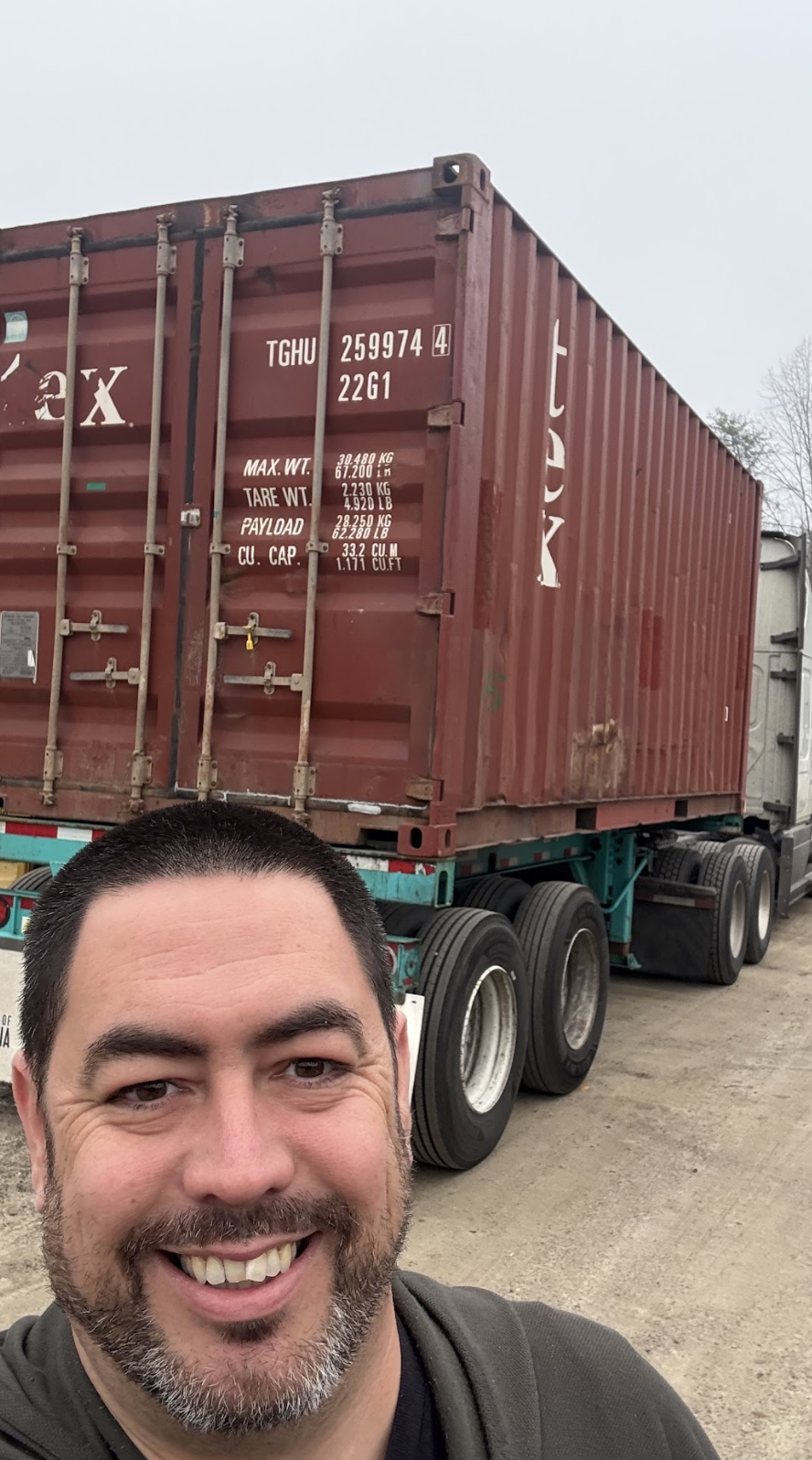
On our end, our general contractor was a rock star. They showed up with the heavy equipment needed to get the container off the chassis and onto our land. There’s a tight window - you only get about two hours with the truck before the transportation company starts charging $175 per hour - so having a crew ready to go was critical. Thanks to their prep and efficiency, the whole unloading process was done in just 20 minutes. That last leg of the logistics ended up feeling almost seamless thanks to the combination of a great customs broker and a great contractor on the ground.
Anastasia: The domes are now on site waiting for the decks to be finished and inspected. What does that milestone feel like after everything you went through to get them there?
Kevin: Laura and I have definitely shared a few quiet smiles, like, “I guess we’re importers now!” It’s one of those moments where you step back and realize just how far you’ve come, and it’s hard not to feel proud of navigating the whole process from start to finish.
Having the domes on site comes with a real sense of accomplishment and relief. After all the vetting, the paperwork, the shipping logistics, and the tariff anxiety, seeing them physically on our land makes it feel very real. That said, we can’t sit around patting ourselves on the back for too long. There’s still plenty of work ahead!
Anastasia: If a micro-resort builder came to you today and said they are considering ordering structures from overseas, what are the first three things you would tell them to do?
Kevin: If I were giving advice to someone considering ordering structures from overseas, the first thing I would say is get your hands on a finished product if you can. Touch the materials and make sure it meets your expectations before committing to full production. Second, work with a trusted customs broker. They will guide you and most likely save your butt from getting hit with unexpected fees. And finally, don’t let the process intimidate you. Ask lots of questions, stay engaged, and do not be afraid to push for clarity. The whole thing is very doable!
Anastasia: If you had to boil it down to two numbers, total cost and total time, what would they be?
Kevin: We ordered six geodesic domes from Shelter Structure at a purchase price of roughly $26,000. All in, it cost us about $11,000 to get them from the port to our land, with tariffs making up about $8,500 of that. The ocean freight itself ran about $3,000 and trucking delivery from the port to our land (about 145 miles) cost $1,500. As for timeline, from order to having them on site, it was roughly 1 month to manufacture and 2 months to deliver, though some of that was intentional waiting on our end while we watched the tariff situation play out.
Anastasia: Finally where can people follow the Camp Yellow Cardinal build and when do you expect to welcome your first guests?
Kevin: We are active on Instagram (@campyellowcardinal) and would love for folks to sign up for emails to follow our progress. We are aiming to welcome our first guests in early fall. Can’t wait!
Anastasia: Thank you, Kevin. The level of detail you shared here will save so many builders months of frustration. We cannot wait to see the first guests wake up inside those domes.
That’s all for today,
Till next week, dear readers.
p.s. give them a follow, they are awesome!