cabin Renderings for micro-resort operators
This week, we're exploring how innovative AI-powered architectural visuals are transforming the marketing and funding of hospitality and retreat projects.
Our guests are Fraser McDonald and Martina Nuneva, the co-founders of Airch, a UK-based studio delivering AI-enhanced renders, videos, and lifestyle content for architecture, hospitality, and unique stays.
Fraser and Martina launched Airch to move beyond traditional production-line rendering studios.
By combining expert guidance with AI tools, they treat visuals as strategic design decisions that elevate projects and help them stand out.
If you're planning a retreat, micro-resort, boutique hotel, or any standout property and want visuals that truly sell the dream, this conversation is packed with practical insights for you.
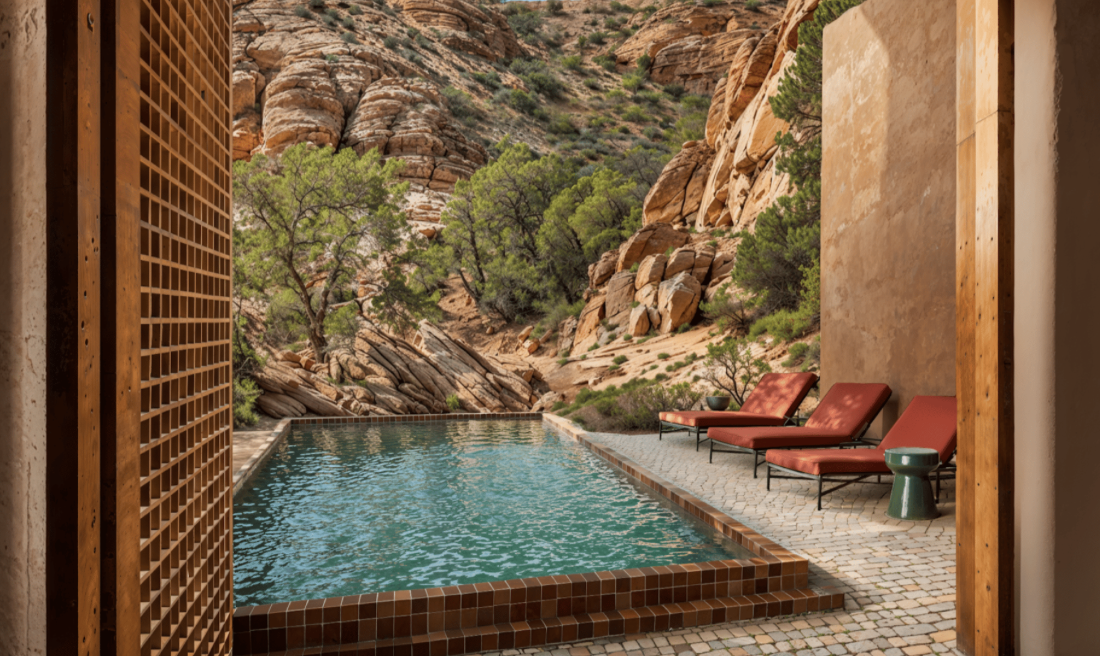
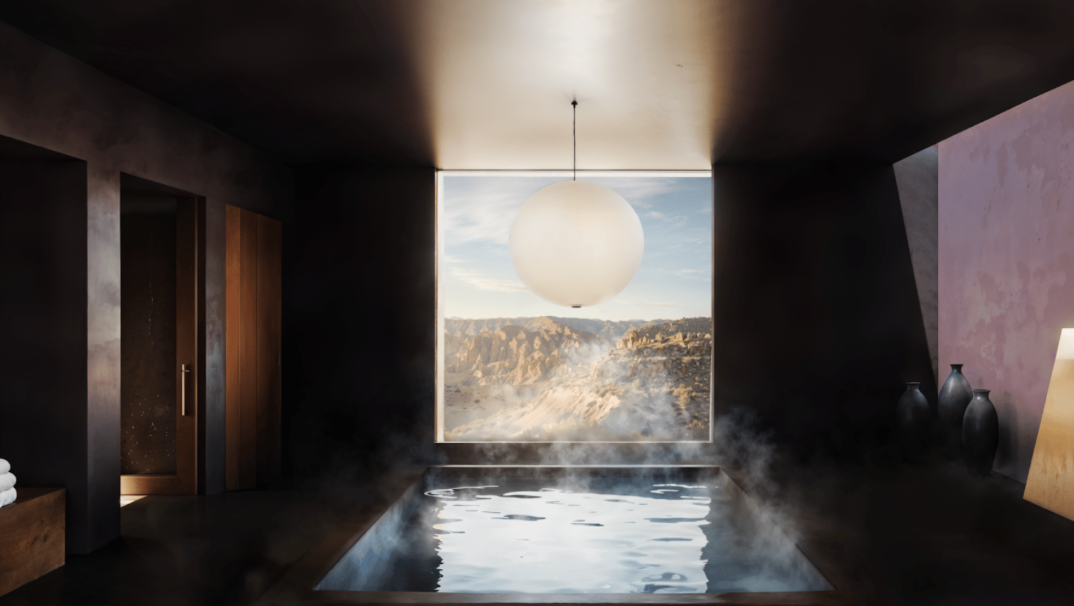
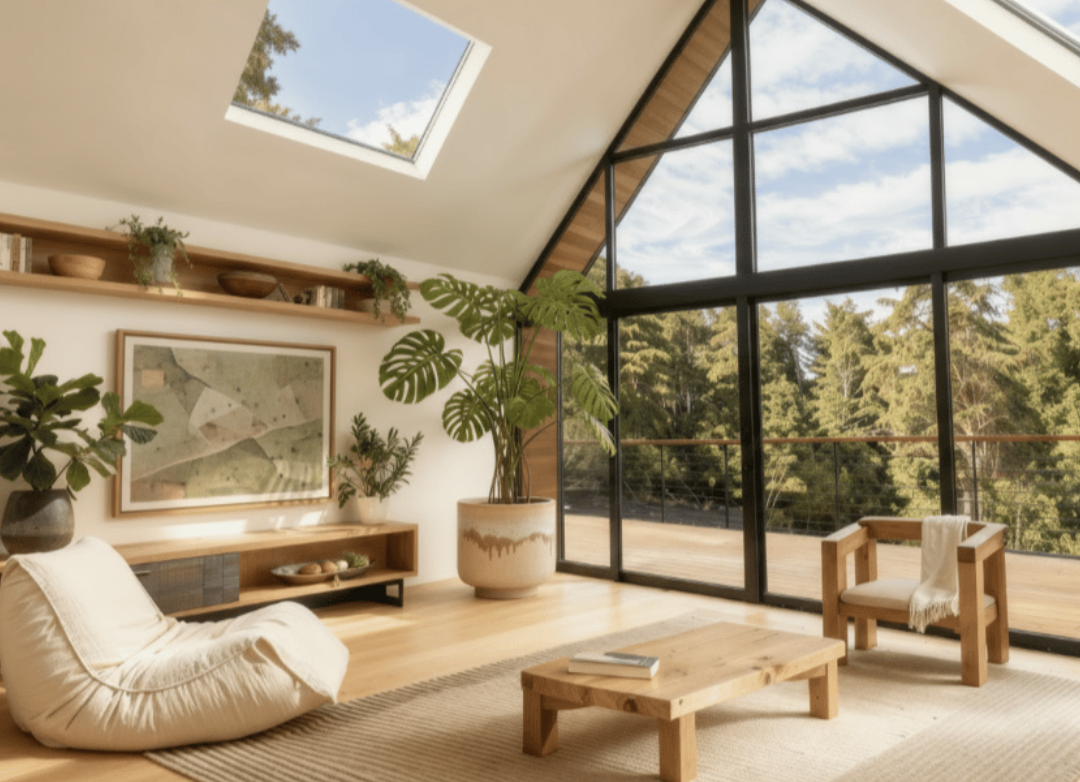
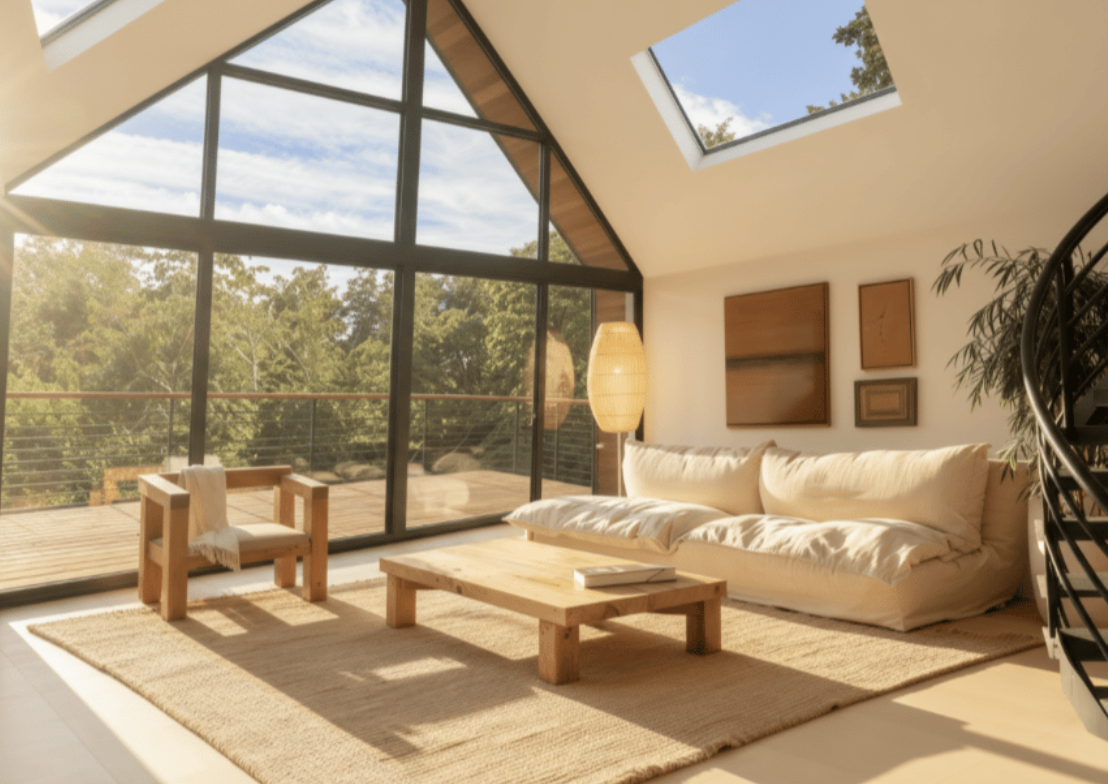
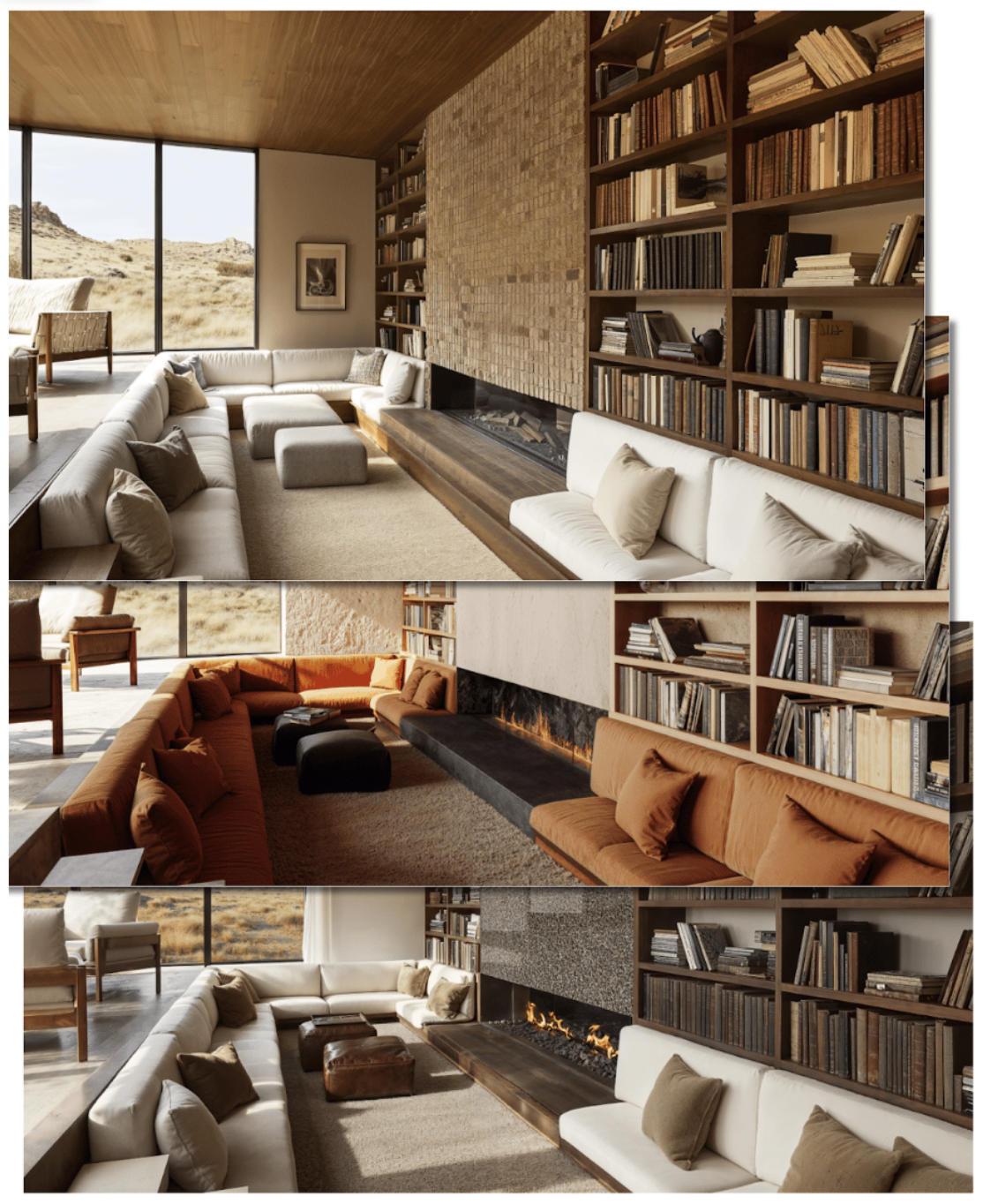
Here are some stunning examples of Airch's high-quality architectural renders for luxury retreats and hospitality projects:

When You Subscribe, You Get Free Access To Weekly Deals, News, And My Favorite Finds.
Anastasia: Fraser and Martina, thanks so much for joining us today!
Martina: Thanks for having us, excited to be here!
Anastasia: Let's dive straight in. What inspired you both to start Airch, and how have your backgrounds influenced the way the studio approaches architectural visuals for hospitality and retreats?
Martina: I’ve always been drawn to architecture, hospitality, and design, but my career took me deep into biotech and systems thinking. That background trained me to focus on outcomes, decision-making, and how to move projects forward efficiently. AIRCH became a way to bring those two worlds together.
It’s my way of working in the design space while applying a strategic mindset, making sure visuals are not just beautiful, but actually help projects get built, funded, and understood.
Fraser: For me, it was a combination of early experimentation and seeing the industry from the inside. During my architecture studies, I started using AI very early on and quickly realised how much it could change the way architects work. I began sharing those workflows with other architecture studios in the UK through seminars while I was still a student, and that opened my eyes to how much inefficiency existed in traditional processes.
Later, working for a rendering studio in the US for about a year and a half really confirmed it. I saw the same copy-paste interiors, the same styling choices, and a lot of wasted time baked into the pipeline. AIRCH came from wanting to remove those inefficiencies and bring back variety, intent, and flexibility without compromising quality.
Anastasia: Your services include custom images, videos, interior style variations, and lifestyle B-roll. Who are your main clients, architects, hospitality operators, developers, or property owners and how do these visuals help them drive better marketing results or secure funding?
Martina: Our clients split into two main groups.
One is hospitality and unique stays: retreats, boutique hotels, micro-resorts, and brands that need to sell a feeling before anything exists.
The second is new-build family homes in the US. Those projects often live or die by how quickly they stand out online, and most visuals in that space look interchangeable.
In both worlds, visuals are not decoration. They are a sales tool, a funding tool, and often a clarity tool for the design itself.
Anastasia: How do your AI-enhanced services compare to traditional architectural rendering studios or freelancers?
What are the main differences in terms of speed, cost, quality control, revisions, and when might someone still prefer a fully traditional approach?
Fraser: Traditional studios can produce great work, but the process is often slow and narrow. You get one direction, limited exploration, and that familiar “render studio look” that repeats across projects. Variety is the missing piece. You often see identical furniture selections, safe neutral styling, and the same art on the walls.
Our approach is a traditional render process (modelling in early stages) enhanced by AI, using many tools, not one magic software. That means more optionality, more atmosphere, and faster iteration, while keeping human quality control. We often have dozens of interior design options per view that are all unique and never seen before.
And we put hard numbers and fixed timelines behind our packages with 48 hour turnaround times where the price doesn't change no matter the size or complexity of the house! Our workflows have allowed for more transparency.
However, the traditional route definitely has its merit, especially when it comes to very large buildings/groups of buildings. AI loses its accuracy and efficiency on the largest scale renders like a masterplan visual of multiple high rises.
Anastasia: Walk me through the typical process: if I contact you for visuals on a hospitality project, what are the steps from initial contact to final delivery, and what's a realistic timeline?
Fraser: For custom projects, we start with a consultation call and a clear brief so we understand the goal. Then we set direction and deliver in stages, with feedback loops. On the site we show project recaps because we want people to understand the scale that is possible, like Oxido Sedona with images, videos, and many variations, completed within the week. We do take on larger projects that involve building out a unique brand and website, creating renders that follow a social media series and these projects can go on for a couple months.
For new-build homes, the Launch Kit is the clearest example of our structured process: it is built around a 48-hour turnaround with a defined revision structure and very lightweight input requirements.
Anastasia: Is it possible to start small and order visuals for just one area/room?
Martina: Yes, and we often recommend it. Start with one hero exterior or one key interior that carries the emotional story of the project. It can help with getting investment or starting your social media story and often this external input can change key details of the design/direction.
Anastasia: With AI speeding things up, how much creative control do clients keep?
How easy is it to request changes, style variations, or mood adjustments (e.g., different seasons, lighting, or interior vibes for a retreat)?
Martina: Clients keep full creative control, and in practice it becomes much easier to explore ideas rather than limit them. We’re very open to changes, style variations, and mood adjustments, whether that’s lighting, season, or overall atmosphere.
What we also try to do is guide the process. During feedback calls, we’ll sometimes suggest refinements or alternative directions if we think it strengthens the architecture or better supports the story the client wants to tell. It’s always a collaborative conversation, not a fixed rule.
From a practical standpoint, requesting changes is very simple. Clients have access to a private project dashboard where they can add options like additional camera angles, seasonal variations, or different lighting setups almost as easily as online shopping, without disrupting the overall timeline.
Anastasia: Many clients begin with a few renders and later expand to full video packages or multi-property campaigns. Can you share an example of how one of your clients has scaled their visuals over time, and any tips for someone starting small with big ambitions?
Fraser: A great example to pull from is the Royal Oak Retreat in Virginia, one of the most viewed projects on instagram.
We started small with a few main renders of the exterior and interior, then these visuals were shared with the audience while storytelling with options on different design directions. We iterated and slowly expanded to different rooms and outdoor spaces.
Nearing the end of construction we were able to take the collection of renders created and expand them into finalized visuals, videos and B-roll footage needed for building out the website.
We always advise to start small, don't get more than you need and take it to the public, get feedback and build momentum!
Anastasia: What are the biggest challenges you've observed in architectural visualization, especially with AI integration?
Martina: The three biggest issues are the lack of diversity in design, hallucinations and accuracy. The tools make it easy and quick to get a half completed visual, but the majority of the work is in post processing. That's where the realism comes in, with none of the weird artifacts or unnatural lighting that create the uncanny valley effect so common in many AI-generated visuals.
Anastasia: Can you tell us about any standout projects currently using your visuals?
Fraser: The Royal Oak Retreat in Virginia has been a standout project showcasing how to combine visuals and storytelling to get the community involved and engaged.
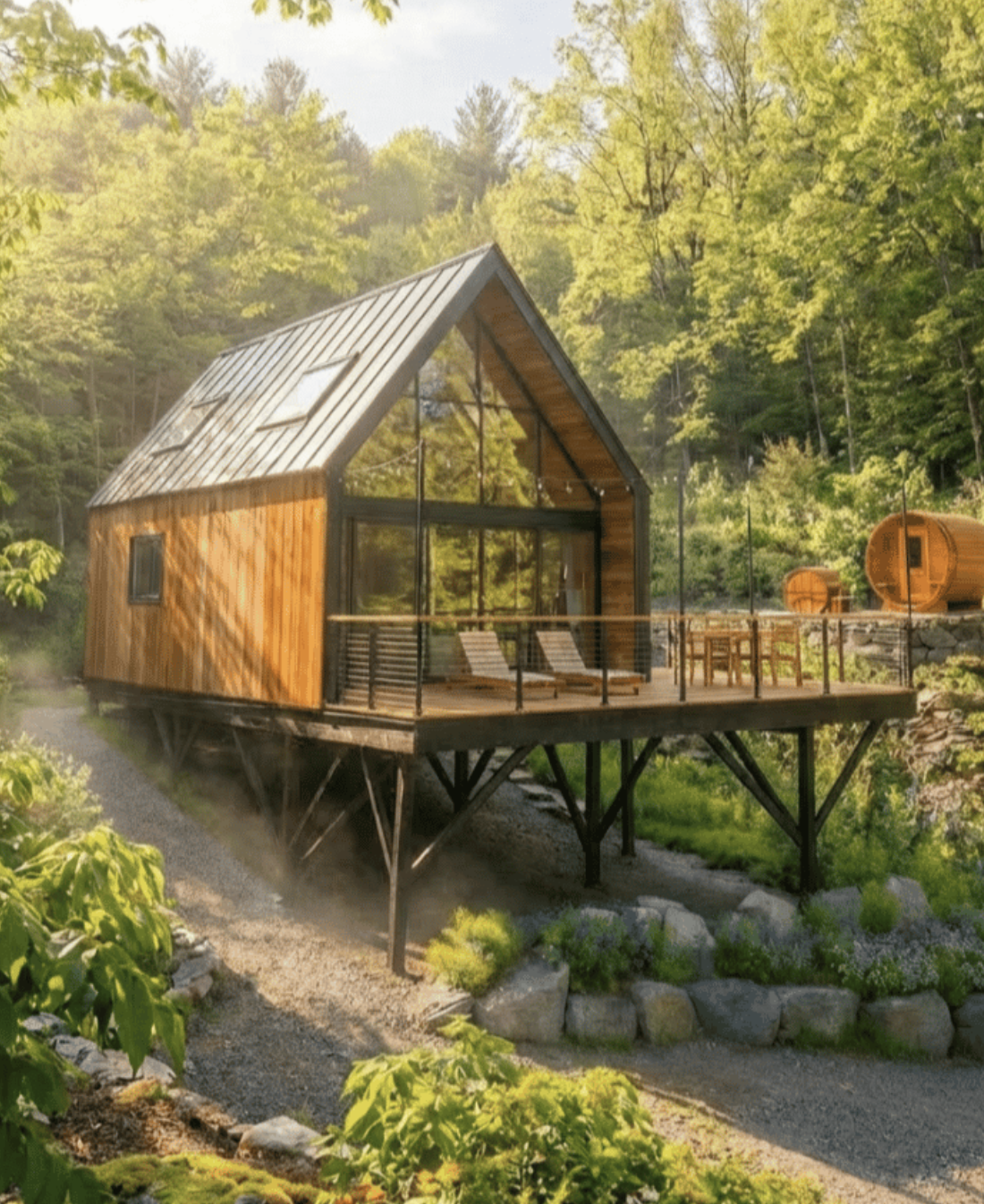
Another project highlighted on our website is Oxido Sedona, a high desert retreat coming in spring 2027.
Anastasia: Looking forward, with demand rising for unique stays marketing, what new tools, features, or expansions are you planning for Airch?
And where do you see architectural visuals heading in the next few years?
Fraser: We are planning on expanding our packages and creating more of an e-commerce experience that streamlines rendering and makes it more about great designs. I see new AI tools improving the quality of our work especially with video quality and frame-rate increasing.
As for where I see architectural visuals heading in the next few years, it's truly difficult to predict! More and more studios will adopt certain AI workflows as they become easier and more intuitive, and I expect realism for all visuals to be indistinguishable with real photos.
Anastasia: What does pricing typically look like for your services? For example, what’s the ballpark range for a basic package (a few exterior renders), a mid-tier one (images + interior variations), and a full campaign (videos, B-roll, lifestyle content) for a hospitality or retreat project?
Martina: For custom projects our prices typically range between $400-$1,200/view depending on complexity and size of the space. We always like to include 5s of video per view for free as it helps make the space feel alive and can help in those early stages of storytelling.
We have a launch kit package with 6 images and 10s of video footage all for a fixed price of $850, this is one of our most streamlined packages and we look to create more of these in the coming weeks/months at the same value and turnaround time!
Looking at larger more all encompassing projects where we handle branding, website design, asset creation and render visuals that can follow along with social media stories our prices range from $5,000-$50,000.
Anastasia: Finally, what's the best way for readers to get in touch with you?
Martina: If you are looking to start a project, you can schedule a 1 on 1 with Fraser via our calendar on the website. We always respond to emails and instagram DM’s!
Anastasia: Thank you both for this practical and inspiring discussion. It's clear Airch is helping projects come to life in powerful ways. Appreciate your time!
Fraser: Thanks for having us!
---
Hope this conversation was helpful and you learned something new or maybe got inspired!
That's all for today.
Till next week dear readers.
P.S. I just enrolled in the Cut30 video bootcamp to level up my reels game, as my first ones flopped spectacularly... the bootcamp is wonderful by the way.
So expect more reels on my Instagram soon… fingers crossed one actually flies!
P.P.S. I am also working on something very special that I will be sharing soon...stay tuned.
Okay, okay. I will give you a hint: 🦁